Organizations I've worked with to bring clarity to complex builds.
The more you learn, the bigger it gets. Every conversation surfaces something new. The people you need to build it are all working from different pictures—and the gap between where you are and where you want to be keeps growing.
But it doesn't have to stay that way.
You're trying to build something that matters—a product, a platform, a new capability. But what started as a clear vision now feels like one undifferentiated mass. Every stakeholder has a different picture in their head. Every meeting adds another consideration.
Everyone around you keeps adding to the list—new requirements, new edge cases, new opinions. But nobody is helping you figure out what doesn't belong. Nobody is helping you see the shape of what you're building clearly enough to know what to do next.
The hardest part? You used to be excited about this. Now you're wondering how much of what you're building will survive the next round of feedback—and whether the team is even building the same thing.
A good product shouldn't fail because the people building it couldn't see the same thing.
Rounds and rounds of revision and it still doesn't land. The vision is there, but every attempt to define it for the team sends you back to the drawing board.
It has to change. But how to get from here to there without disrupting everything that still works—and how to make sure the new version is actually better?
The first attempt didn't work. It has to be right this time before more time and money go out the door.
For 20 years, I've helped product teams see what they're building clearly enough to build it well. I don't simplify complexity—I make it consumable, preserving the meaning while making it something your whole team can see and work from.
The pattern is always the same: capable teams with real momentum who need someone to map the territory before they keep building without a shared picture of what they're actually making.
Your vision gets buried under everyone else's interpretation of it.
You're reworking instead of contributing—spending your energy defending the vision rather than building it.
You need more budget, more time, more buy-in—but you don't have the artifact to make the case.
The conversations keep circling. The same questions come back in different rooms. Decisions that felt settled come undone.
And the thing you actually care about—the reason this project exists—quietly stops being the thing that's getting built.
We start with an honest look at where things actually stand—not a blank-slate discovery process, but a quick read on what exists, what's working, and where the wires are crossed. If you're mid-build, we don't start over. We meet you where you are.
You walk away knowing what you really have—not what the last status report said.
Together we build visual maps of what you're making and how it fits into its larger context. The thing that's been living in your head—coming out differently every time you explain it—gets pulled into a form your whole team can see, react to, and build from.
The conflicts disappear—some of which were miscommunications. Now everyone has a shared set of maps to reference, and the real decisions—the ones that actually matter—become obvious.
A map you can't use is just a poster. I stay with you as the work moves—helping you sequence what to build next, pressure-test decisions as new information comes in, and keep the whole team oriented as things evolve.
You stop reworking. You start building. And the thing you set out to make starts becoming real.
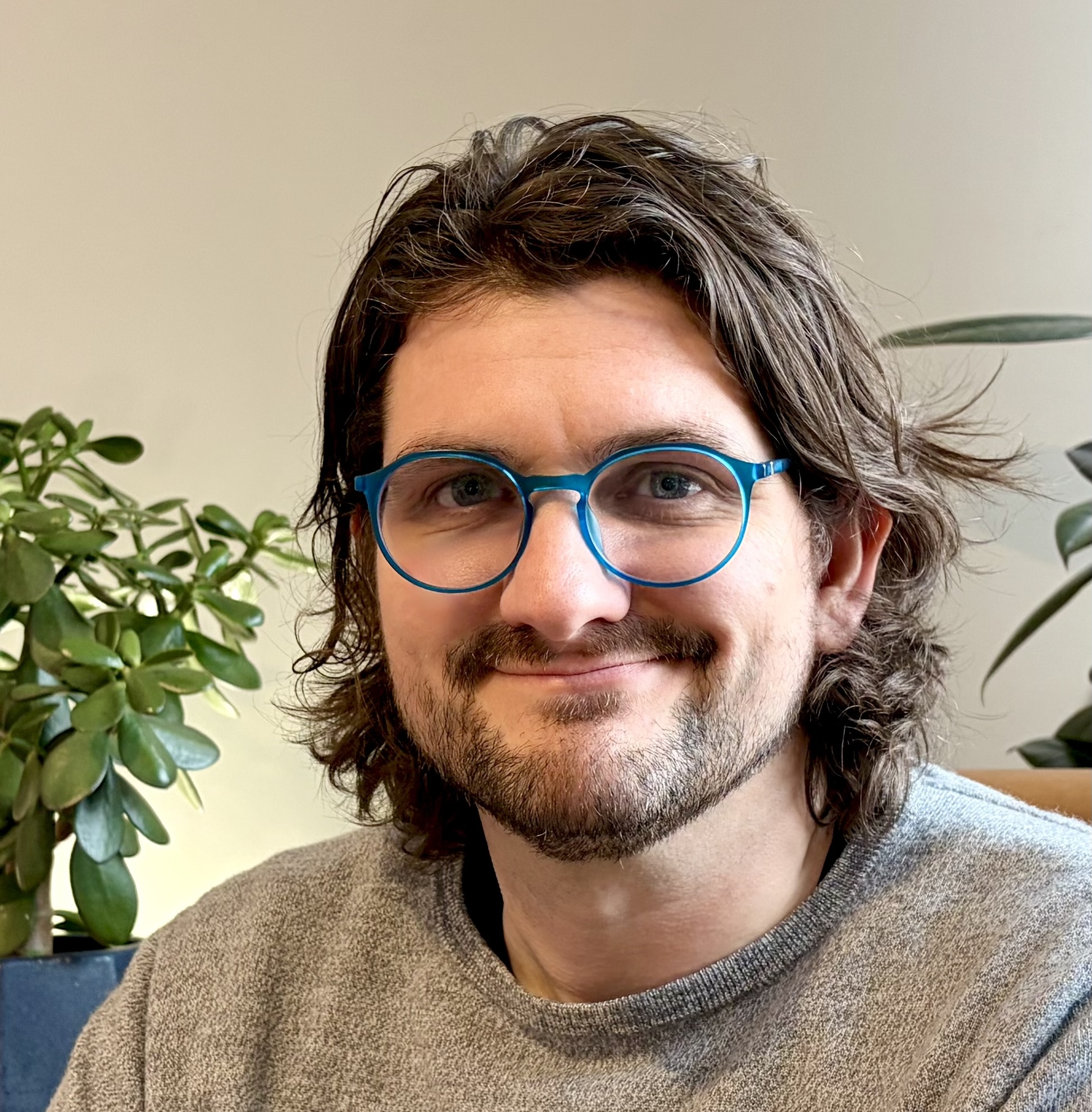 Talk to Joe
I'm Joe Elmendorf, the principal behind Maps & Mirror. This starts with a focused conversation—I learn about your situation and reflect back something your team hasn't been able to see from the inside. No pitch. No proposal. Just a chance to find out if mapping would make a meaningful difference for where you are right now.
Start a ConversationBring whatever's on the table.
